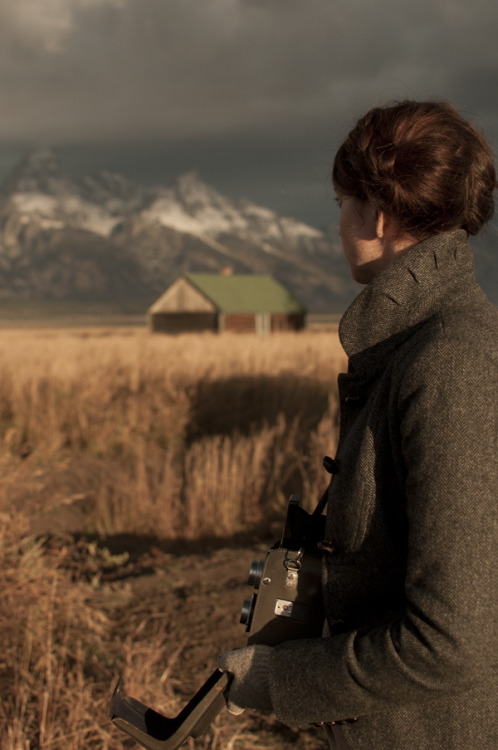
I once knew a girl who walked in the woods.
She would remind the sun to wake up; without her, it might not make it above the horizon. So winter Minnesota mornings she stepped through oak trees; frozen pond, frozen branches, frozen sun.
Frozen.
But also agonizingly alive, with sunlight glancing daggers off bitter snow, making eyes sting and cheeks burn hot by unmixed energy and light. (You know what this is; the purer life is, the more it can hurt; this is the great irony.) When she breathed in air breathed out by pine trees, she could feel the scent, like you feel music or light or a bleeding heart.
 Her favorite wildflower was the bleeding heart; it always had been since it grew wild around the trees she walked among as a child. Her grandmother told her its name that afternoon gardening by the barn, and she never forgot bleeding hearts. Not others’. Not her own.
She gave her own spirit away, once, twice, more; to people, to dreams, but it was dropped and stepped on and now bled—was still bleeding—like the wildflowers. She asked Jesus about the pain, and He told her about her heart that was no longer hers. Take a breath, take it back, and don’t make the same mistake again.
Her eyes are dry, because wildflowers don’t cry.
Today unbroken snow rests, waiting for mice and leaves to draw on it, and she walks on the covered path and crushes ten trillion snowflakes, ten trillion marks of the holiness of the world. Once she made a snow angel, but it didn’t look much like an angel; untouched snow seemed more divine in the end, so she didn’t do it again. Destroying beauty hurts too much, especially if your heart already bleeds.
I knew a girl once who remembered a poem she heard a long time ago.
Blessed is the road that keeps us homeless.
Blessed is the mountain that blocks our way…
Blessed are the night and the darkness that blinds us.
Blessed is the cold that teaches us to feel…
Blessed is this shortest day that makes us long for light.
Blessed is the love that in losing we discover.
The sun is above the horizon now, has burned off dawn’s golden light, and underneath the snow are bleeding hearts waiting for spring.
She would remind the sun to wake up; without her, it might not make it above the horizon. So winter Minnesota mornings she stepped through oak trees; frozen pond, frozen branches, frozen sun.
Frozen.
But also agonizingly alive, with sunlight glancing daggers off bitter snow, making eyes sting and cheeks burn hot by unmixed energy and light. (You know what this is; the purer life is, the more it can hurt; this is the great irony.) When she breathed in air breathed out by pine trees, she could feel the scent, like you feel music or light or a bleeding heart.
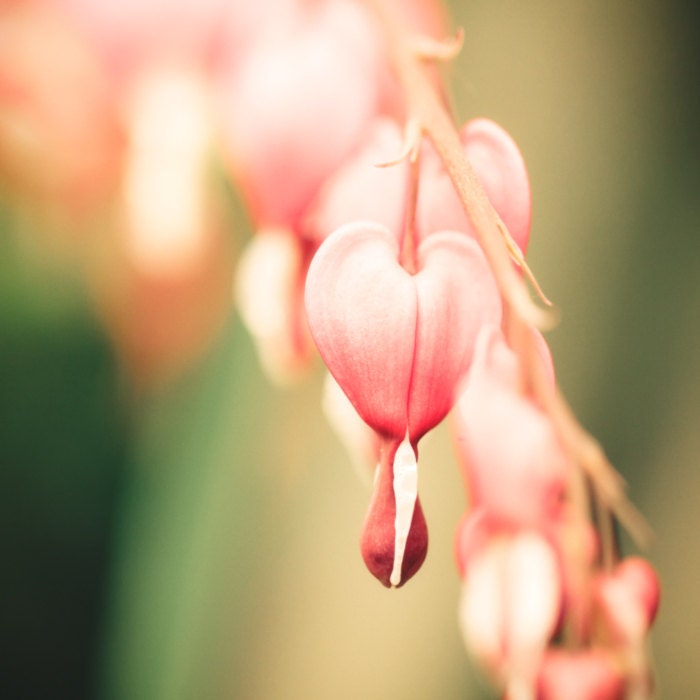 Her favorite wildflower was the bleeding heart; it always had been since it grew wild around the trees she walked among as a child. Her grandmother told her its name that afternoon gardening by the barn, and she never forgot bleeding hearts. Not others’. Not her own.
 She gave her own spirit away, once, twice, more; to people, to dreams, but it was dropped and stepped on and now bled—was still bleeding—like the wildflowers. She asked Jesus about the pain, and He told her about her heart that was no longer hers. Take a breath, take it back, and don’t make the same mistake again.
Her eyes are dry, because wildflowers don’t cry.
Today unbroken snow rests, waiting for mice and leaves to draw on it, and she walks on the covered path and crushes ten trillion snowflakes, ten trillion marks of the holiness of the world. Once she made a snow angel, but it didn’t look much like an angel; untouched snow seemed more divine in the end, so she didn’t do it again. Destroying beauty hurts too much, especially if your heart already bleeds.
I knew a girl once who remembered a poem she heard a long time ago.
Blessed is the road that keeps us homeless.
Blessed is the mountain that blocks our way…
Blessed are the night and the darkness that blinds us.
Blessed is the cold that teaches us to feel…
Blessed is this shortest day that makes us long for light.
Blessed is the love that in losing we discover.
The sun is above the horizon now, has burned off dawn’s golden light, and underneath the snow are bleeding hearts waiting for spring.